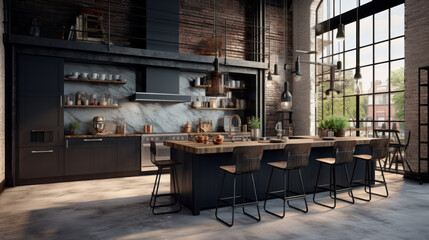
Cabinet Painting Sacramento is a low-effort and affordable way to elevate the look of your kitchen. Choosing the right cabinet paint can make the difference between a successful or failed project.
When changing your cabinet color, start with a high-quality primer. A favorite of professional painters is Fresh Start High-Hiding All-Purpose Primer.
Preparation
If you have wood cabinets, you can upgrade your kitchen with a fresh coat of paint. Cabinet painting is a large undertaking and requires lots of prep work to ensure the final product looks good and holds up well over time. It also requires special skills to do it right, which is why it’s best to leave this project to a professional.
First, empty out your cabinets and remove the doors, drawers, and hardware. Label them with painters tape so you can reinstall them correctly when the job is done. Next, clean all surfaces with a degreaser solution or trisodium phosphate (TSP) cleaner to remove grease and oil. This step is important since it will make the finish look better and last longer.
Once the surface is clean, sand everything using a medium grit sandpaper. This will create a smooth surface for primer and paint to adhere to. Then vacuum and wipe down all surfaces to make sure you’re not leaving any dust or debris behind that could compromise the finish.
Now that your cabinets are prepped and ready for priming, it’s time to choose the color and type of finish you want. You can choose a glossy sheen for maximum durability, or a semi-gloss for a more subtle look that’s easy to clean.
When choosing a sheen, you’ll need to consider how much light will reflect off the cabinets and whether or not you want your kitchen to be bright and airy. A high sheen will bounce more light off the cabinets, while a matte or satin finish will absorb the light.
At this point, your cabinet painting crew will mask off anything that shouldn’t be sprayed or dusted, such as countertops, backsplashes, windows and fixed appliances. They’ll also set up a protected workstation in the garage or a deck area to minimize disruptions to your home life and eliminate any chance of overspray.
Once the cabinets are prepped and ready for painting, they’ll be sprayed with an oil-based primer. This will help the Sherwin Williams premier cabinet enamel paint bond and adhere to the surfaces. It will also prevent tannin bleed through, which is common in knotty wood. Then the cabinets will be sprayed with 2 topcoats of Sherwin Williams premier cabinet enamel paint, which will provide a hard, gloss finish that can stand up to scuffing and wear.
Primer
A coat of high-quality primer is a must for cabinet painting because it provides a surface that the finishing paint can bond with. Primer also helps the finished paint last longer and look better. It can be tinted to match the color of the final coating, and it will help reduce the number of paint coats required for even coverage.
If you wander the paint aisles at your local home improvement store, you’ll see a variety of primers to choose from. Many of these are formulated to be used with specific types of paint, and it’s important to select the right primer for your project. If you’re going to paint wood cabinets, for example, you should use a wood-specific primer such as KILZ 3(r) Premium Primer. This primer offers superior adhesion, hides imperfections and stains, and contains mildew-resistant ingredients that prevent mold growth in moisture-prone areas such as the kitchen.
Depending on the type of cabinet finish you want, you may need to apply two or three coats of primer before starting with your final coating. It’s important to wait for the primer to dry between each application, and it’s a good idea to do this in a well-ventilated area. Using the correct primer for your job can make the difference between a durable, long-lasting finish and one that easily flakes or peels.
Before applying the first coat of painting, it’s a good idea to lightly sand the surfaces of your cabinets. A sanding block or very fine 220-grit sandpaper should be used to smooth any rough spots. Then, you’ll need to wipe away any dust that remains.
After your primer has dried, you’ll be ready to begin painting the cabinet frames and doors. Start with the backside of the frames and work your way to the front, using a brush for corners and detailed areas. Once you’ve completed the frame and door surfaces, let the paint dry according to the manufacturer’s instructions. This usually takes a few hours, but it can take up to 24 hours in some cases.
Paint
Painting cabinets is a great way to update your kitchen without doing a full remodel. Whether you want to brighten the room with a bold color or give your kitchen an updated look, cabinet painting can dramatically change the space. But before you take the DIY approach, consider hiring a professional. There is more to painting cabinets than meets the eye, and if you don’t have the proper skills or tools, you can end up with a less-than-stellar result.
Before you can begin the paint stage, it’s important to determine the type of finish you’re looking for. Depending on the material (wood or laminate), you may need to use different products and prep techniques. For example, wood cabinets require a primer that is specifically formulated for the material and will provide adequate adhesion. Many common household primers won’t hold up to the frequent handling, moisture, grease, and other wear and tear that cabinets endure.
If the cabinets are in good condition, you can begin by prepping them for paint. First, remove all doors and drawer fronts and set them aside in a safe place. Next, empty the cabinets and wipe down all surfaces with a trisodium phosphate cleaner to remove any grime or grease. Once the surfaces are dry, you can begin the sanding process. Using a hand or power sander, carefully sand all surfaces until they are smooth. This step is very important, as it helps the new paint adhere properly to the surface and reduces chipping later on.
Once all of the surfaces are sanded and prepped, it’s time to begin the actual painting process. It’s important to apply the paint in even coats and allow each coat to dry completely before applying the next. When you’re ready to start, make sure to use a high-quality latex paint that is formulated for cabinets. This will ensure that your cabinets stand up to the everyday wear and tear of a busy kitchen.
One of the biggest mistakes homeowners make when painting their own cabinets is skipping the priming process. This step is extremely important, as it provides the foundation for a long-lasting and beautiful finish. A quality primer, such as KILZ 3(r) Premium Primer, will help prevent chipping and peeling in the future and is also mildew-resistant to combat moisture in a kitchen.
Finish
The final stage in the cabinet painting process is applying a clear coat of finish to protect your investment and provide a beautiful surface that will last. You can choose a gloss, semi-gloss or satin sheen, depending on your personal preferences and the amount of sheen you want to achieve. The clear coat is applied after the stain has dried, so it’s important to make sure that all of the work you’ve done has had enough time to set.
The cabinet painting process usually takes several days, allowing adequate time for thorough preparation, multiple paint applications and drying/curing between each coat. It’s also important to make sure that you’re working in a well-ventilated area, so be sure to open windows and use a fan to keep the air moving. This is especially important if you’re using oil-based products, which will take longer to dry and have a stronger odor than water-based products.
Cabinet painting offers homeowners a powerful and effective alternative to expensive and disruptive kitchen renovations. This strategic home improvement technique provides an aesthetically-pleasing and durable transformation that saves between 30-50% compared to total cabinet replacement.
Professional cabinet painters know that the quality of your finished product depends on meticulous surface preparation and high-quality materials. Choosing primers and paints specifically designed for cabinetry ensures optimal adhesion and durability, allowing your finished cabinets to resist everyday kitchen wear and tear.
When it comes to the actual cabinet painting, experienced professionals utilize precise brushwork and spray application techniques to ensure flawless results. This ensures a smooth and even application, eliminating the need for touch-ups or additional coatings that can diminish the overall look of your project.
While it is possible to complete a cabinet painting project yourself, the process requires extensive experience and equipment to ensure the best possible outcome. If you’re not confident in your abilities to perform a professional-grade job, hiring a local and licensed painting contractor is the best way to ensure the results you desire.
If you’re interested in transforming your existing cabinetry, be sure to contact a local, trusted and licensed painting company for a free consultation. They can assess your space and provide a detailed quote for your cabinet painting project.